


Using dashcam footage after an accident in Vancouver, WA, is one of the best ways of providing evidence when submitting a claim. Auto accidents can be incredibly overwhelming, and proving liability often comes with challenges, especially in Washington.
If you are the victim of an auto accident in Vancouver, WA, you need to seek legal representation from a professional auto accident attorney. At Henderson Taylor Law Firm, our team of auto accident attorneys has extensive experience handling car accident cases across Washington and can help you collect the evidence you need to prove liability.
Keep reading to find out how to use dashcam footage in an insurance claim and why this is one of the best types of evidence for a car accident claim in WA.
Types of Footage Dashcams Capture
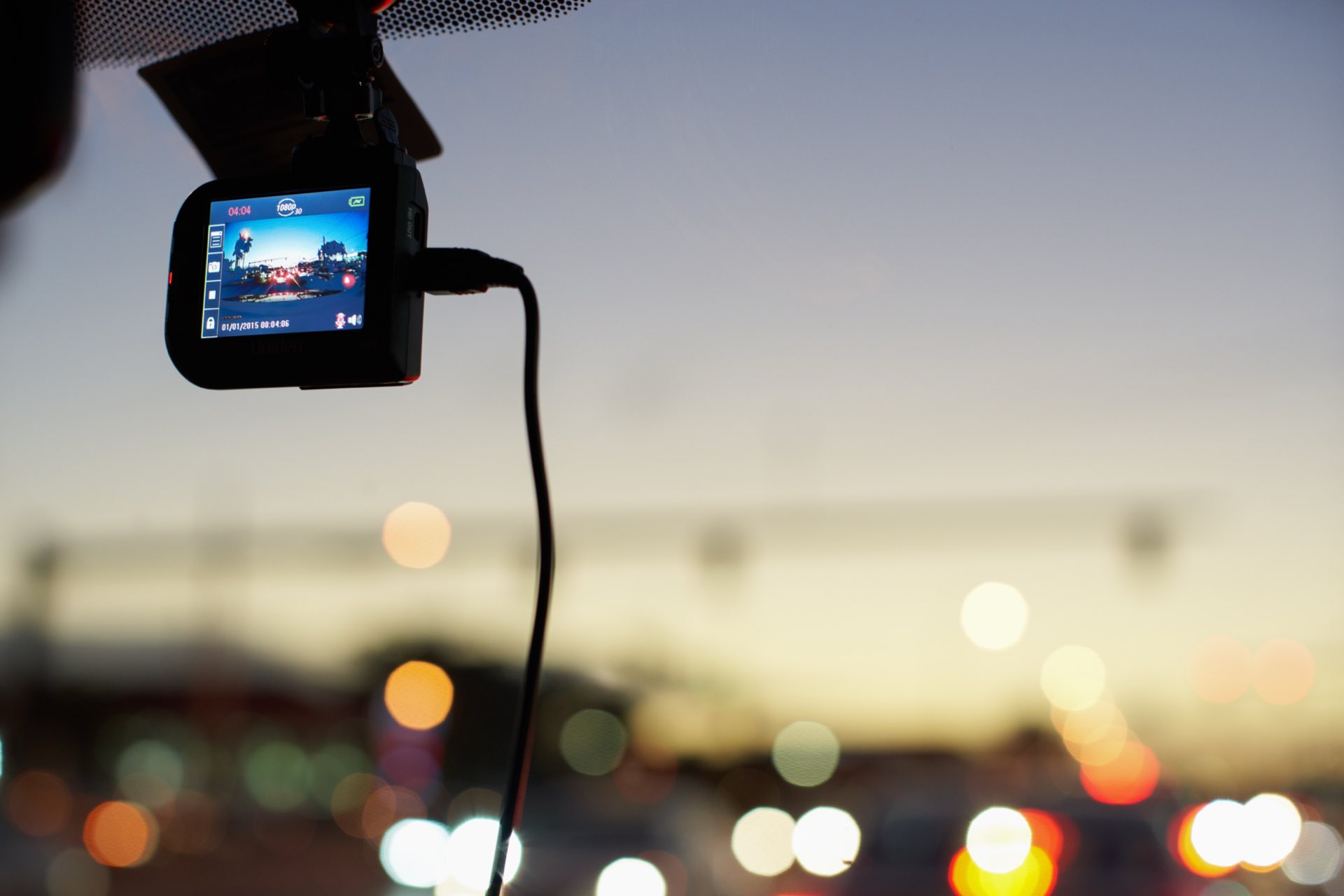
Dashcams were invented for the purpose of allowing drivers to record their surroundings. It is usually a small in-car camera that is windscreen-mounted, allowing it to record everything in front of the vehicle. Some Dashcam designs are also able to record some side views as well as the rear of the vehicle.
Typically, dashcams only start recording once the vehicle is started, but some newer models are able to record when the vehicle is off.
Dashcams can capture relevant footage regarding auto accidents before, during, and after the collision. In many cases, this presents evidence that would have otherwise been inaccessible. For example, you can see the collision happen in real-time or see the actions that ultimately led up to the collision.
Here are some of the most common types of car accidents that dashcams can help record:
- Sideswipes
- T-bone accidents
- Head-on collisions
- Rear-end accidents
How Dashcam Footage Can Help in a Car Accident Claim
In Washington, comparative negligence law dictates how auto accident claims are handled. This means that both parties could hold a certain percentage of fault, which impacts the amount of compensation they could receive. That is why proving who held the largest percentage of liability is essential when filing your claim.
Dashcam footage is one of the more thorough pieces of evidence that can help you do this if you were not at fault for the accident. Here are some examples of how dashcam footage can help support your auto accident claim.
Proving Negligence
All drivers have a duty of care, which requires them to drive as safely as possible for the purpose of keeping everyone on the road safe. Despite this, many drivers still drive negligently, behaving in a way that can put themselves and others in outright danger.
Using dashcam footage allows you to capture the behavior of the other driver, which is essential for proving fault. Without this footage, you may not have any real evidence of reckless behavior unless there were witnesses.
Here are some examples of reckless driving that dashcam footage can help capture:
- Speeding
- Swerving
- Brake checking
- Driving while intoxicated
- Driving distractedly
- Road rage
- Failing to stop or yield
Outlining Liability
If you don’t have a lot of evidence for your claim, much of your side of the story will be hearsay. On the other hand, dashcam footage creates a direct outline of liability, showcasing how the other driver was behaving and how it led to the accident.
An example of this is if the other driver was speeding, which resulted in them not seeing you in time to stop. Or they may have been driving while on the phone and did not stop at a stop sign or red light.
Showcasing Third Parties
Auto accidents involving multiple people can become increasingly complex, especially when it comes to distributing fault. Dashcam footage can help better clarify the role of each person so that you don’t end up being held unfairly at fault.
Documenting Damages
There are many ways you can go about documenting your damages, whether they be medical or property-related and this is another area where dashcam footage can be useful. Keep in mind that dashcam footage can sometimes be unreliable as images may be out of focus, so it is still a good idea to get other types of evidence, such as photos.
Legal Considerations When Using Dashcam Footage
A common concern people have regarding dashcam evidence in a car crash is whether or not this is legal. The good news is that in Washington, it is perfectly legal to use dashcam footage as part of your evidence when filing an auto accident claim. In fact, it is becoming an increasingly popular method of determining fault.
However, all dashcam footage presented as evidence must be intact and unaltered. Any footage that has been edited or clipped in any way will be thrown out.
Also, you should never rely purely on dashcam footage when filing a claim, as this is only one form of evidence. You should still collect other types of documentation, including medical documentation, photographs, witness statements, expert testimony, etc.
Hire an Experienced Auto Accident Attorney at Henderson Taylor Law Firm
Using dashcam footage for an accident in Vancouver, WA, is the best way to provide strong proof regarding who was at fault. Dashcam footage of a car crash can provide inscrutable proof of how the accident occurred and who held the largest portion of liability, thereby helping you to get the compensation you deserve.
At Henderson Taylor Law Firm, our experienced personal injury lawyers in Vancouver, Washington, are committed to defending the downtrodden and helping our clients get the settlement they are entitled to. For expert legal representation from one of our attorneys, contact us today at 360-737-1478 or fill out our online form.
FAQs
Is dashcam footage admissible in Washington?
Yes, Washington considers dashcam footage to be a valid form of evidence in auto and personal injury claims.
Can dashcam footage hurt my claim?
In some instances. But this will only apply if the dashcam footage incriminated you in some way, such as showing that you held some responsibility for the accident.
What if another vehicle dashcam captured the crash?
You can use another person’s dashcam footage to support your claim as long as you have their consent to do so.