



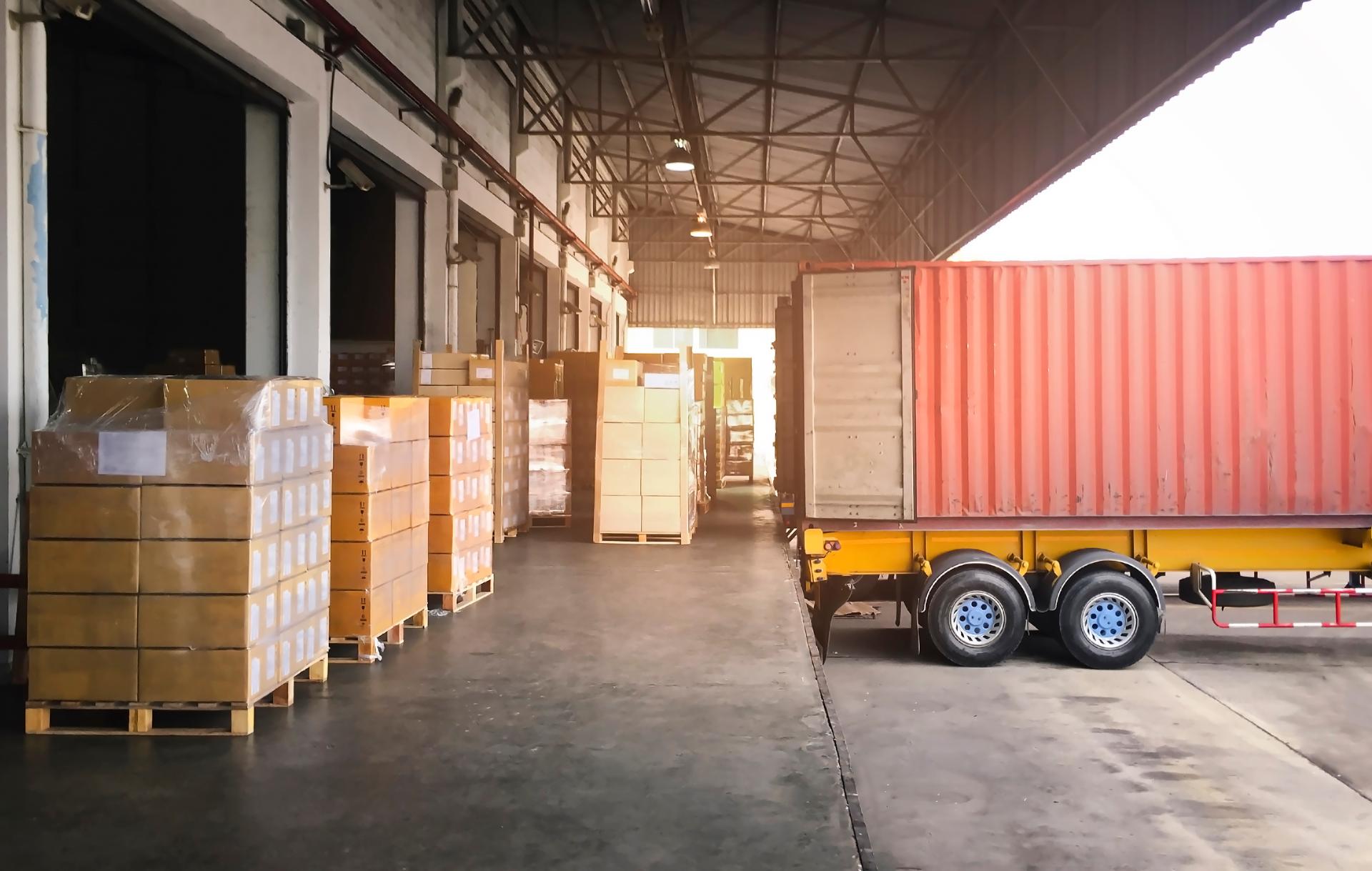
Commercial trucks carry significant amounts of cargo back and forth, which greatly increases the risk of collisions on Washington roadways. The risk is even greater for smaller vehicles on the road that are more vulnerable to being struck by either the truck itself or falling cargo.
If you have been the victim of a truck cargo accident in Camas, Washington, you need to seek legal representation from a truck accident attorney. At Henderson Taylor Law Firm, our team of Camas truck accident attorneys has extensive experience handling complex truck accident cases, helping our clients get the best possible outcome.
So, keep reading to find out what you should do after a truck cargo accident to protect yourself and protect your claim.
Examples of Common Cargo-Related Truck Accidents
The unfortunate reality is that truck cargo accidents are incredibly common and can often result in serious injuries. Even if the commercial truck doesn’t lose its cargo, it’s still very likely that the cargo could contribute to any type of truck-related accident. The reason for this is that large amounts of cargo add weight to the truck, making it harder to control and drive safely.
Here are some examples of scenarios that could result in a truck cargo accident in Camas, Washington:
- Falling cargo
- Shifting loads
- Overloaded cargo
- Incorrectly secured cargo
- Falling debris
Immediate Steps You Should Take After the Crash
If you are the victim of a truck accident due to falling or shifting cargo, you need to take specific steps directly after the accident. These steps are for your own safety, but can also help to identify and preserve evidence for when you file your claim later on.
Get Medical Care
Immediately after the accident, you should call 911 to report it so that law enforcement will arrive. When you do this, you can also request an ambulance if you’re injured.
Keep in mind that it’s a good idea to get checked out by a medical professional directly after the accident, even if you don’t have any noticeable injuries. Many injuries can be internal and may not become apparent until later on.
Getting immediate medical care also creates a more substantial paper trail, which you can use later on in your claim.
Exchange Information
If you aren’t seriously injured, you should exchange contact and insurance information with the truck driver and any other involved parties. However, when you do this, avoid discussing the accident or who is at fault.
You should also try to get the contact information of any witnesses who may have seen how the accident occurred.
Preserve Evidence
Again, if you aren’t seriously injured, you can take the additional step of preserving evidence at the collision scene. Although not strictly necessary, this can help preserve certain types of evidence that may become harder to access later on.
For example, you can take photographs of any injuries or property damage directly at the collision scene. You can also identify whether or not there are any traffic or business surveillance cameras nearby that may have caught footage of how the accident occurred.
Who May Be Liable?
After the initial accident has occurred, you will need to shift your focus to filing your truck cargo accident claim. However, before you do this, you need to understand the different parties who could hold liability for the accident.
Washington uses an at-fault system, which means that you can recover compensation from the party that directly caused the accident. It also uses a pure comparative negligence system, which means that fault is assigned in percentages, so more than one party could be liable.
Specifically, in cases where the truck’s cargo directly contributed to the accident, the following parties could be held liable:
- The driver: The driver may have driven while under the influence, failed to take breaks, or may have driven recklessly.
- The trucking company: The trucking company may not have properly hired the driver or trained them, enforced the necessary federal rules, or failed to provide maintenance for the truck.
- Cargo loaders or shippers: If the trucking company used a cargo loading or shipping company, that company may be liable for failing to properly load or secure the cargo.
When you work with a truck accident lawyer in Camas, Washington, they can help you determine who’s at fault before you file your claim. They can also help you track down all of the evidence you need to prove fault so that you can file a strong claim with the best chance of getting the compensation that you deserve.
Hire an Experienced Truck Accident Attorney at Henderson Taylor Law Firm
Truck cargo accidents in Camas can come with devastating consequences for vehicles that may have been struck by the truck or falling cargo. If this has happened to you, you have every right to pursue compensation, especially if the accident was caused by a cargo securement violation or reckless driving.
At Henderson Taylor Law Firm, our Washington truck accident attorneys can help you with every step of the process as you gather evidence and file your cargo spill injury claim. For expert legal representation from one of our attorneys, contact us today at 360-737-1478 or fill out our online form.
FAQ Section
Who is responsible if cargo falls off a truck?
This depends on the specific situation, as different parties could hold liability. For example, liability could fall on the driver, the trucking company, or a third-party hired by the trucking company, such as a cargo loader or shipper.
Can the cargo loading company be sued?
Yes. It isn’t uncommon for the cargo loading company to hold all or some of the fault due to things like improper loading, inadequate securing, or overloading cargo. However, in order to sue the cargo loading company directly, you must provide proof that they directly caused or contributed to the accident.
How do investigators determine what caused the cargo to come loose?
Investigators will examine different things, such as the trucks loading and weight records, testing the failure hypothesis with the operational timeline, and the physical evidence, such as what the cargo was secured with.